
Student Attendance Monitoring and Redress System (SAMRS)
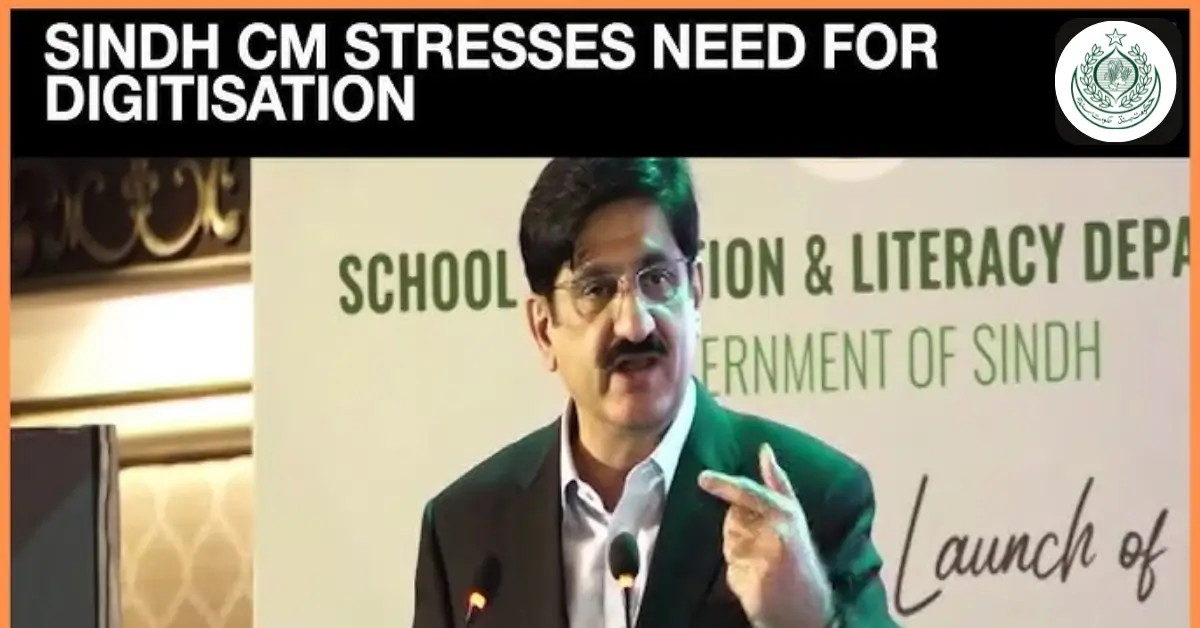
Sindh Chief Minister Syed Murad Ali Shah inaugurated the Student Attendance Monitoring and Redress System (SAMRS), marking a major step toward digital transformation in the province’s education sector. The initiative is designed to enhance transparency, improve accountability, and ensure better learning outcomes across public schools. During the inauguration, the Chief Minister emphasized that SAMRS will help the government make informed decisions based on real data rather than assumptions.
This project introduces a modern approach to monitoring student progress and managing school operations. SAMRS combines attendance tracking, infrastructure assessment, and teacher performance evaluation under a single digital framework, making it the first of its kind in Sindh and across Pakistan.
A New Era of Digital Education Management
The Student Attendance Monitoring and Redress System (SAMRS) serves as a comprehensive digital platform that connects various aspects of the education system. It links student attendance with teacher performance and school facilities, providing real-time data for administrators to assess the quality of education. This interconnected model promotes evidence-based decision-making, ensuring that challenges are identified and addressed efficiently.
Key features of SAMRS include:
- Integration of student and teacher data under one platform
- Real-time attendance monitoring through digital dashboards
- Automated alerts for absenteeism and performance issues
- Insightful analytics to support school improvement plans
By leveraging technology, the Sindh government aims to create a more transparent education system where issues can be tracked and resolved quickly, enhancing both governance and learning standards.
Implementation and Expansion of SAMRS
According to Chief Minister Murad Ali Shah, SAMRS has already been activated in 600 schools across 12 districts. The system’s next phase will extend to four additional districts with technical support from UNICEF. This expansion is expected to strengthen the government’s ability to monitor educational performance across the province.
The following table outlines the initial rollout and expansion plan:
| Phase | Districts Covered | Partner Organization | Schools Activated |
|---|---|---|---|
| Phase 1 | 12 | Sindh Government | 600 |
| Phase 2 | 4 | UNICEF | In progress |
The government has also ensured that SAMRS remains adaptable, allowing it to incorporate future data components like teacher training and school facilities management.
Linking Education with Health and Child Protection
Murad Ali Shah stressed the importance of integrating SAMRS with other sectors to ensure holistic child development. He announced plans to link education data with health, nutrition, and child protection services. This integration aims to create a unified social safety net for children enrolled in public schools.
The initiative will be extended to include:
- Child vaccination records linked with school attendance
- Routine medical check-ups connected with SAMRS data
- Nutrition and social security programs for at-risk students
By combining education and health data, the Sindh government hopes to address issues affecting student well-being and academic performance simultaneously.
Sui Gas Duplicate Bill Islamabad – Check Northern Sui Gas Bill Easily
Student Identification through NADRA Integration
In a major administrative reform, the Sindh government has partnered with NADRA to use the B-Form Number as the primary identifier for students. This change replaces the old System ID method, ensuring that every child is uniquely registered in the SAMRS database.
The following table highlights the difference between the old and new student identification systems:
| Criteria | Old System ID | NADRA B-Form Integration |
|---|---|---|
| Identification Source | Internal database | National registry |
| Accuracy Level | Moderate | High |
| Data Linking | Limited | Connected with national records |
This integration strengthens data accuracy and allows better tracking of each student’s educational journey, ensuring that no child is left behind.
Collaboration with Global Partners
The launch ceremony of SAMRS was attended by several national and international partners, including the World Bank, UNICEF, Asian Development Bank, British Council, and JICA. Provincial Education Minister Syed Sardar Shah and World Bank Country Director Bolerma Amgaabazar were also present at the event. The participation of these organizations reflects the system’s credibility and the Sindh government’s commitment to innovation in education.
Interestingly, the World Bank representative clarified that SAMRS is not a donor-funded or charity-based initiative but the result of Sindh’s own planning and governance efforts. This distinction underscores the province’s capacity to design and implement technology-driven educational reforms independently.
Punjab CM Launches Mega Reward Drive for Kisan Card Recovery 2025
Future Outlook and Expected Impact
SAMRS is expected to significantly improve school management, reduce dropout rates, and ensure that educational decisions are based on verified data. The system’s predictive features allow authorities to identify at-risk students before they drop out, helping schools take timely action.
Expected outcomes include:
- Improved student attendance and engagement
- Transparent teacher performance evaluation
- Real-time data for educational policy-making
- Reduced administrative delays in addressing school-level issues
As the system continues to expand, it will serve as a model for other provinces seeking to modernize their education monitoring frameworks.